Bukabas
Bus Booking For Public Transport
At university, I launched a startup called Bukabas, a digital solution for booking public service vehicles (matatus), allowing passengers to search and book buses for specific times.
Role
UI/UX Design Market Research
Industries
Transport
Date
January 2022
PROBLEM OVERVIEW
Passengers are faced with frequent long queues and unreliable service delivery. From our community survey, it was revealed that most passengers prioritized choosing the most available buses over their Sacco preference and cost. However, Nairobi commuters have complained about the lack of orderliness and inconsistency in service delivery due to strikes, traffic jams, unethical road practices. Therefore, we sought to find a way to make convenient and reliable public transport service, more accessible to passengers at rush hours. Therefore, helping commuters avoid long queues at bus parks.
THE GOAL
THE SOLUTION
THE PROCESS
Survey participants
Pitch competition
Key pain points
Conducting User Research
I distributed a survey on Google forms to voluntary participants. We collected feedback from 62 participants. The participants in the study were predominantly of age 18-24 (90.3%) and 56.5% of them stated that they were fairly comfortable with their economic status. In addition, majority of the sample used public service vehicles at least once a day for their daily travel (87.1%).
Critical Issues Identified
User feedback highlighted three core service problems:
Safety: Unsafe driving (speeding, running lights) poses a major risk.
Reliability: Lack of maintenance causes vehicle breakdowns and delays.
Communication: Poor public communication by bus companies and their employees leads to passenger confusion and frustration.
What we learned from the data
The data shows passengers had a strong preference for convenience (proximity) over all else:
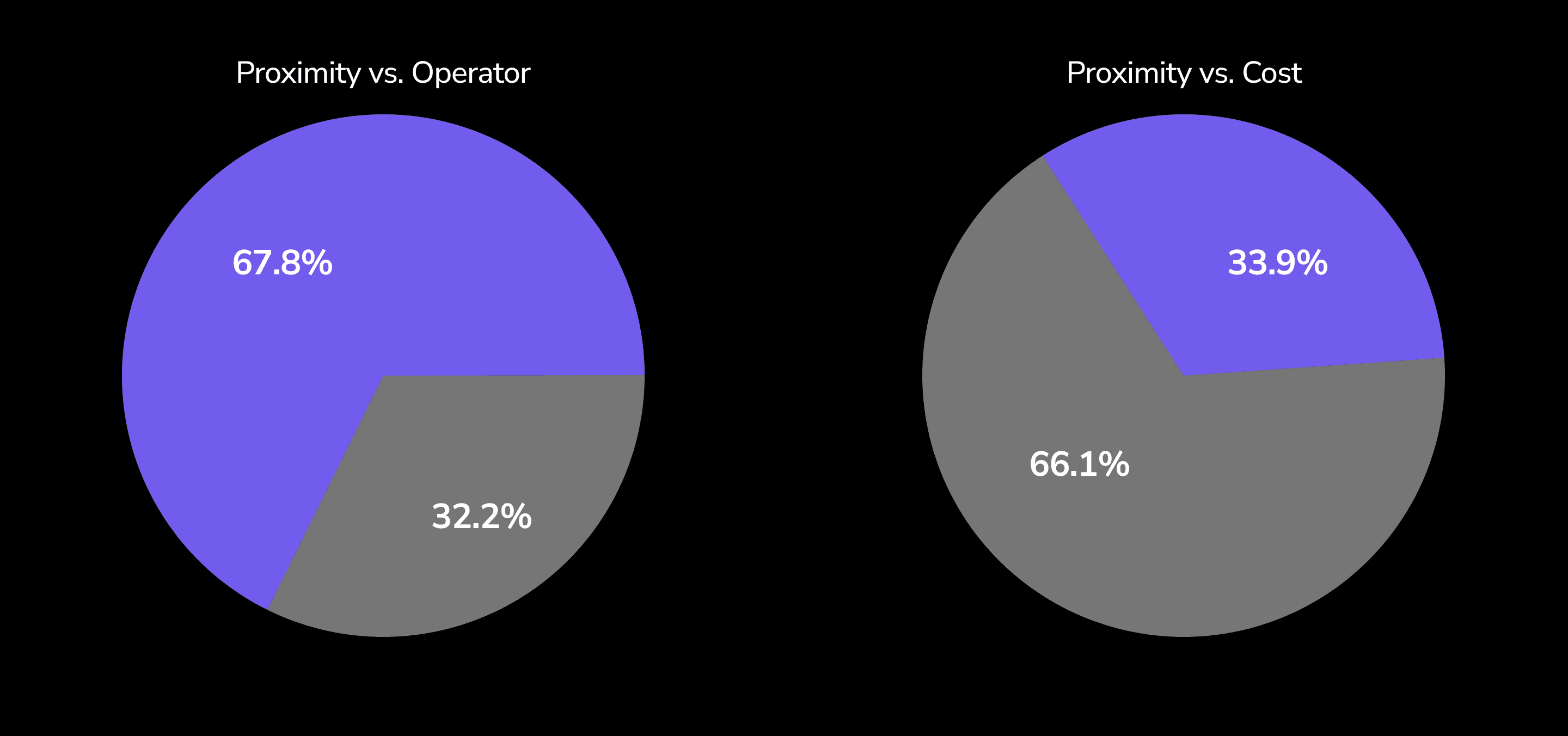
Proximity vs. Operator: 67.8% prioritize a closer ride over their preferred matatu sacco (operator).
Proximity vs. Cost: 66.1% choose a closer matatu, even if the fare is higher.
Conclusion:
The overwhelming majority of passengers value proximity above both operator loyalty and cost, making convenience the single most important factor in transport decisions.
Defining the problem
Using the generated insights, I came up with the following pain points to capture gaps to be solved in the application.

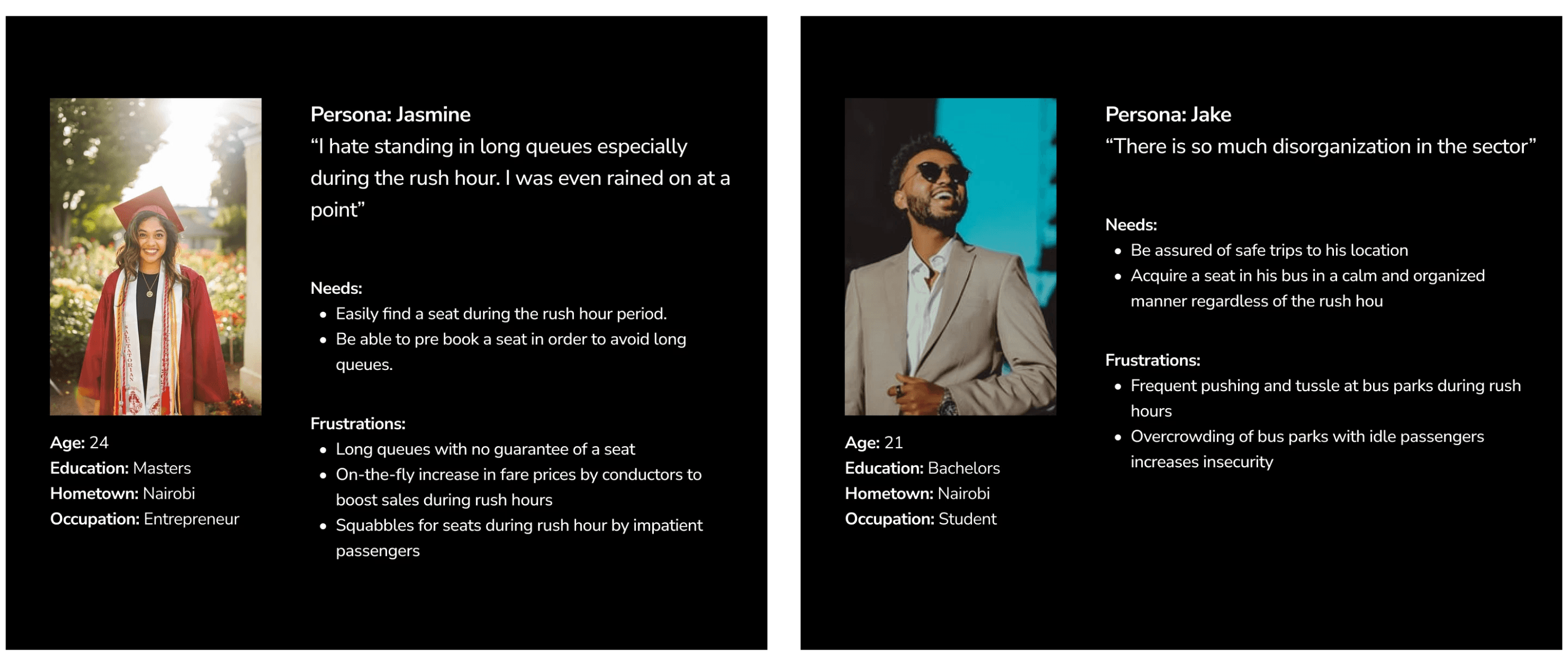
In order to have a more human-centric design, I drafted relevant user stories and suitable personas which highlighted some of the pain points of the research study:
Designing the solution
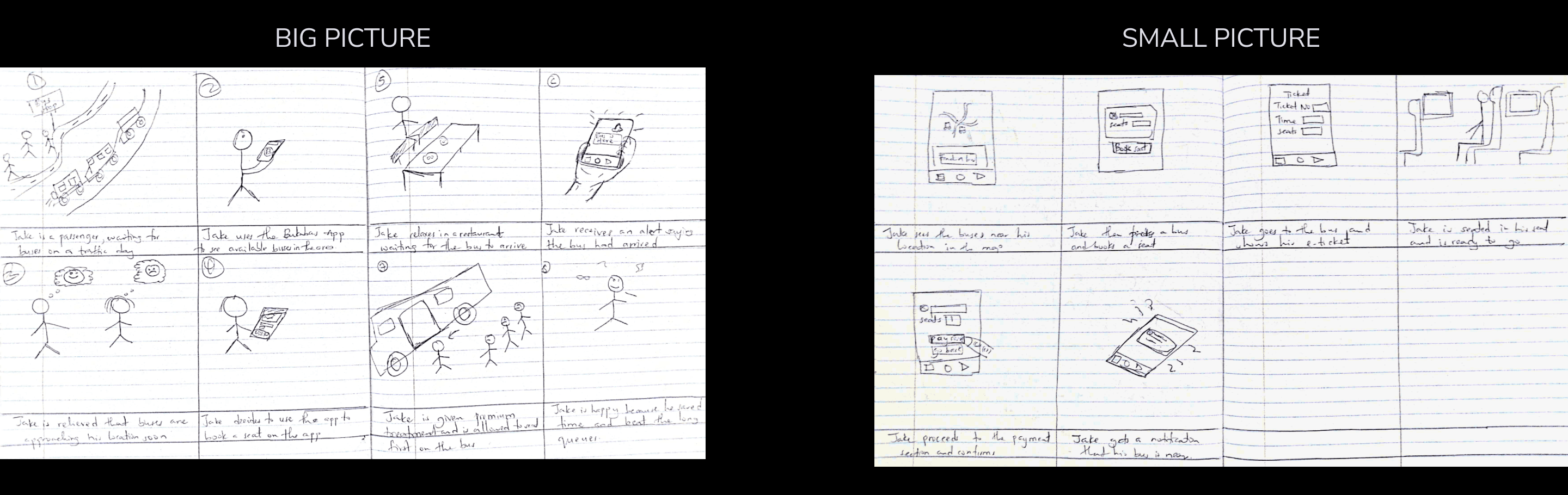
In order to conceptualize the ideal user journey, I came up with storyboards with a proto-persona, Jake at the bus station. The big-picture storyboard captured Jake’s emotions as he engaged with the app and the small mirrored his activities.
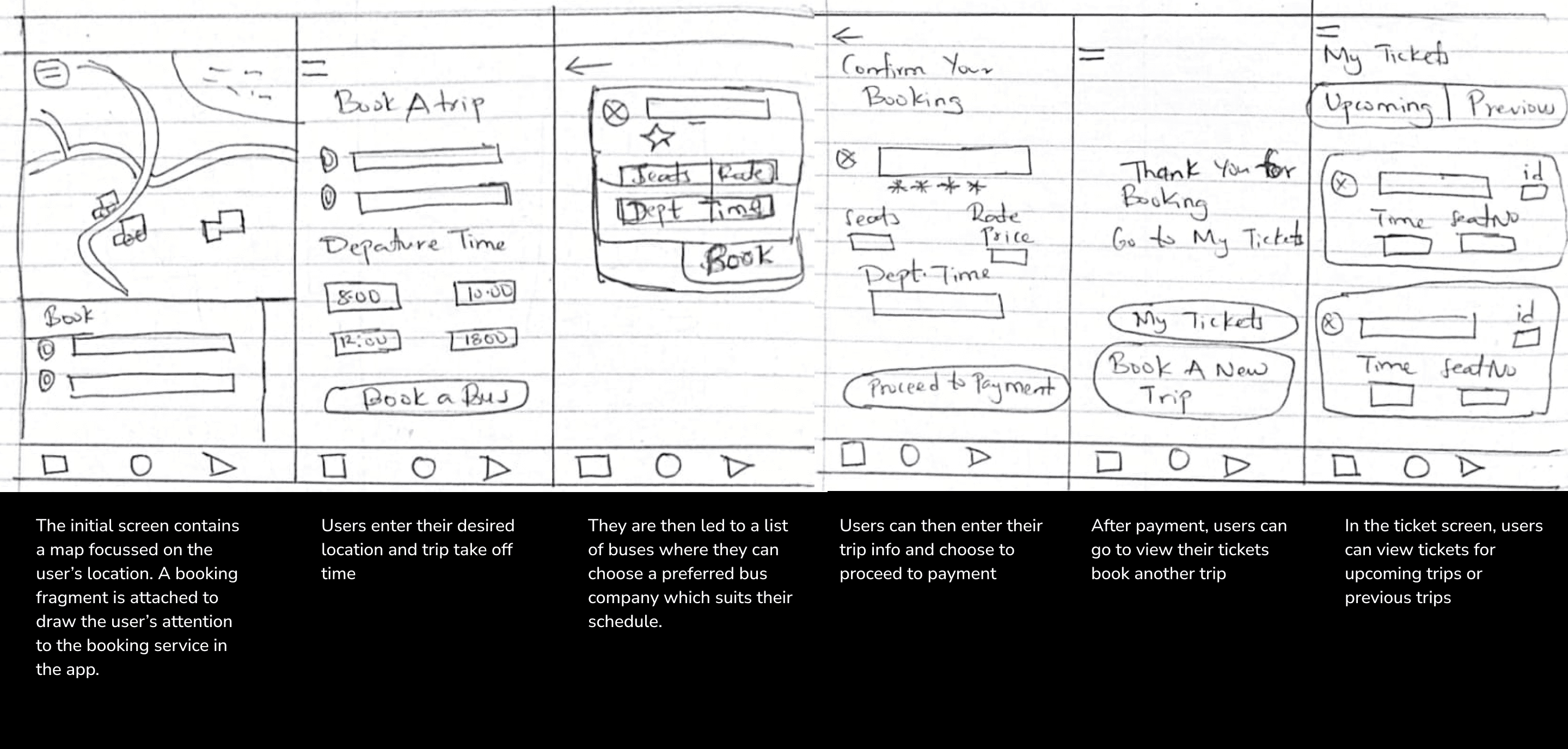
I proceeded to make paper low fidelity prototypes to break down the identified user flow from the storyboards into actionable screens.
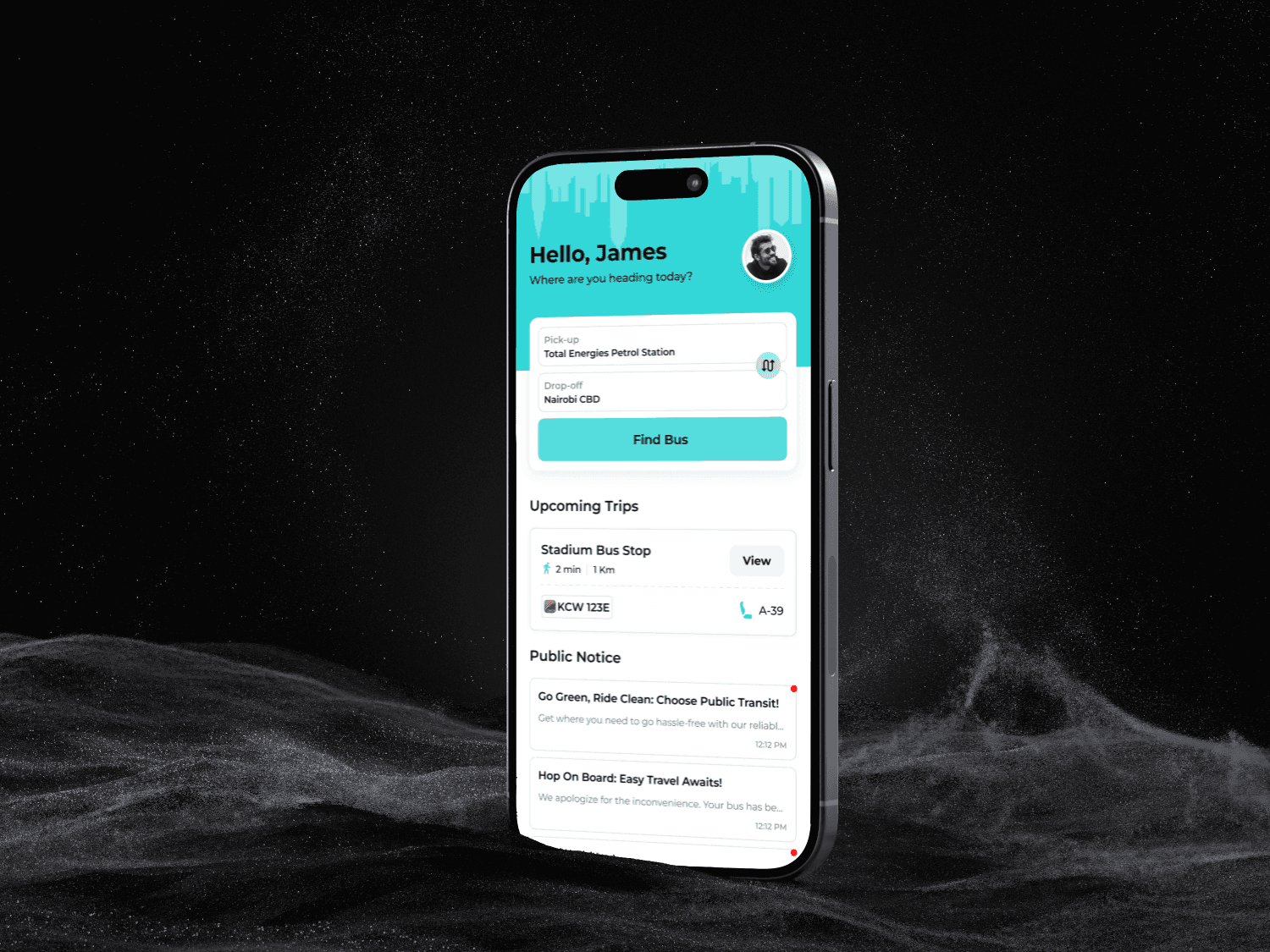
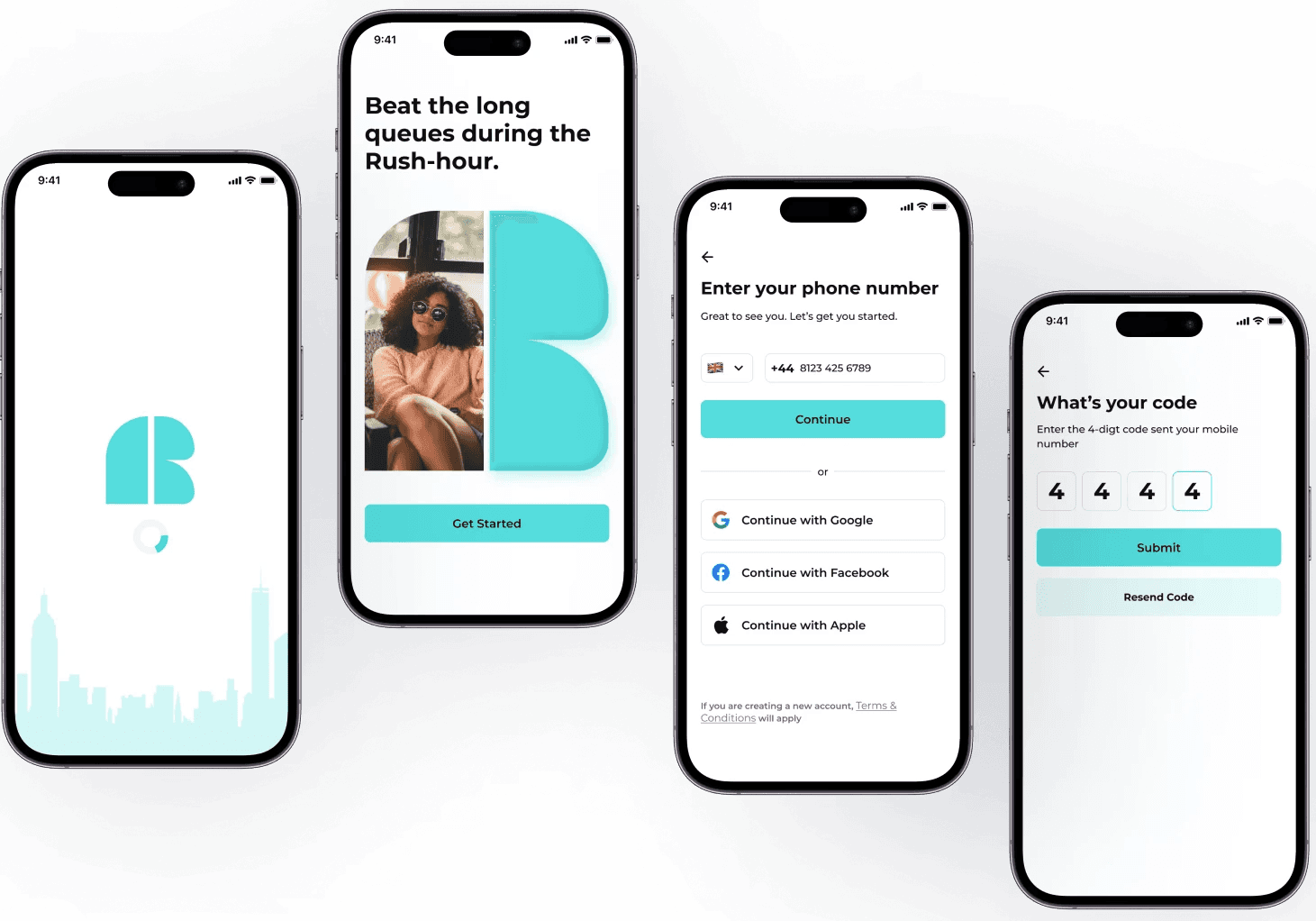
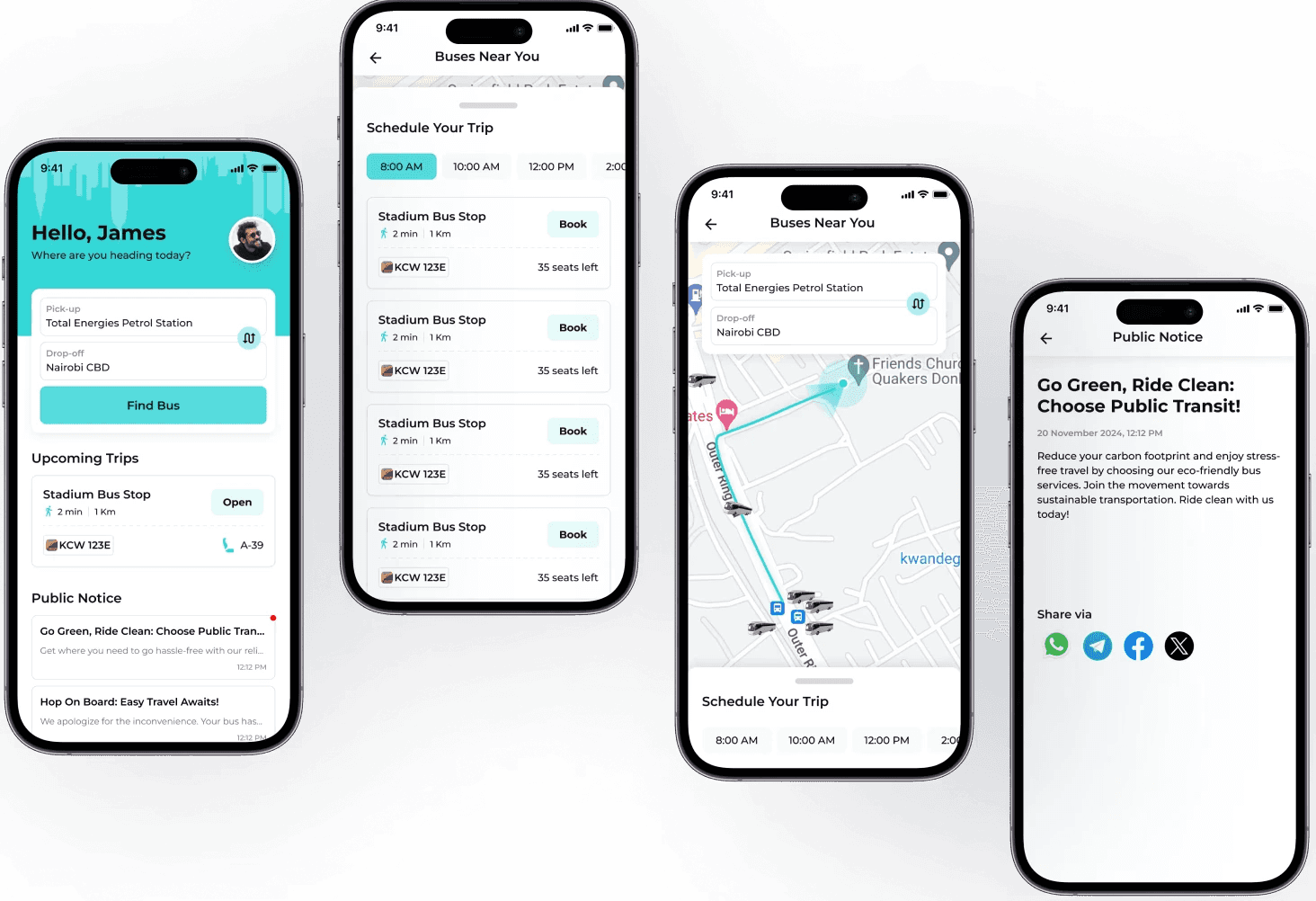
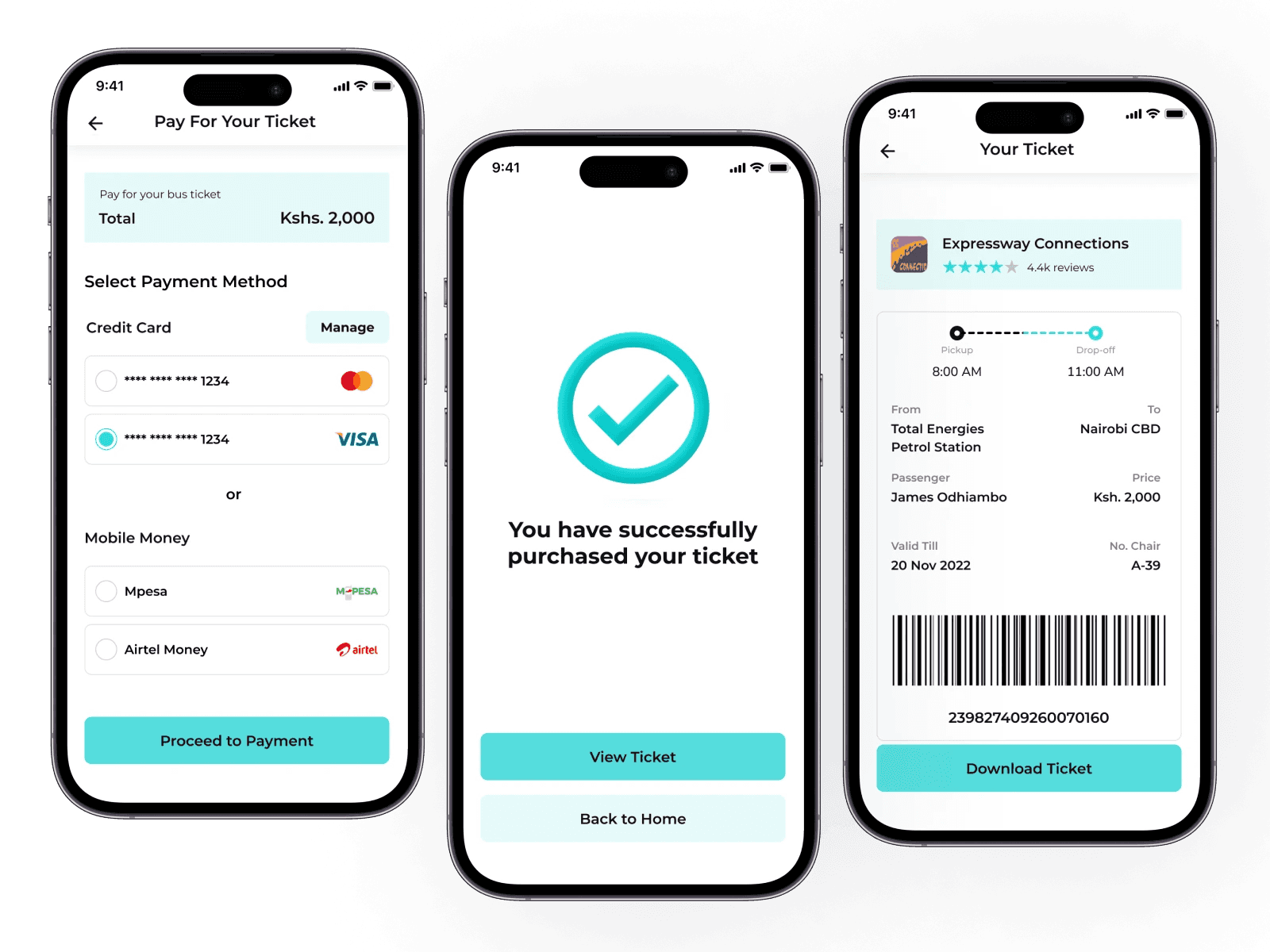
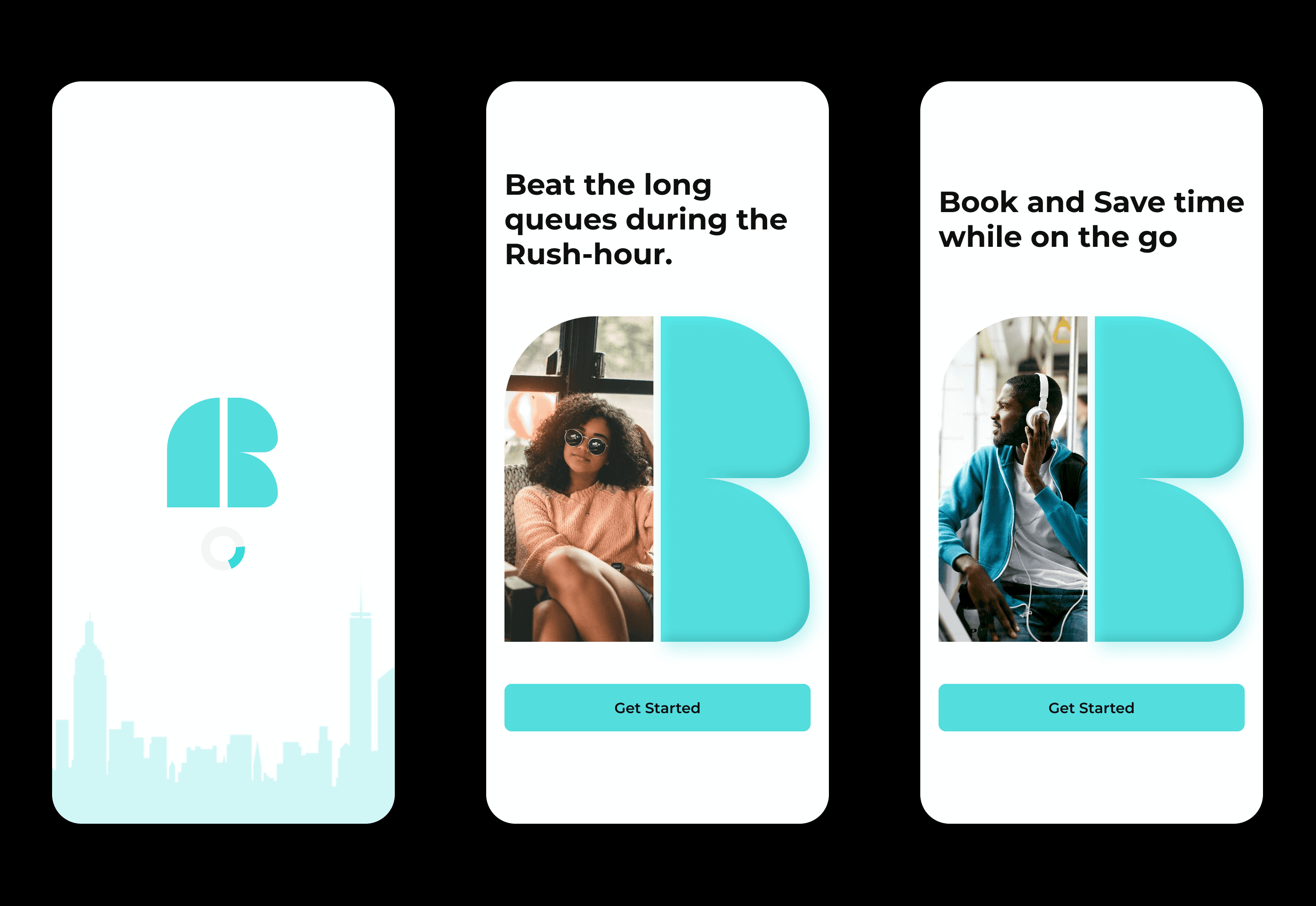
Following an internal review, I designed a high-fidelity prototype with two user flows: one for new users onboarding through sign-up and another for existing users signing in directly.
THE OUTCOME
After designing the prototype, we engaged stakeholders for feedback but realized our product was not a market fit due to several challenges:
✖️ Matatu owners resisted the idea of digitization, fearing job losses for conductors.
✖️ Cost and complexity concerns arose, as owners found the system expensive and difficult to implement compared to their traditional methods.
✖️ Additionally, regulatory challenges emerged, with local authorities classifying our service as a bus company rather than a SaaS platform, leading to legal hurdles that hindered our launch.
REFLECTION AND CONCLUSION
Upon reviewing these insights, we realized that we had overlooked key stakeholders—bus owners and local government—in our design process. This oversight forced us to return to the drawing board to better address their requirements. Nonetheless, this research journey underscored the importance of considering all stakeholders, not just end users, to ensure the success of our product.